Key Takeaways
- AI coding tools can refactor entire components, migrate libraries, and generate production-ready code in minutes, but pushing that change live to every user at once concentrates the risk.
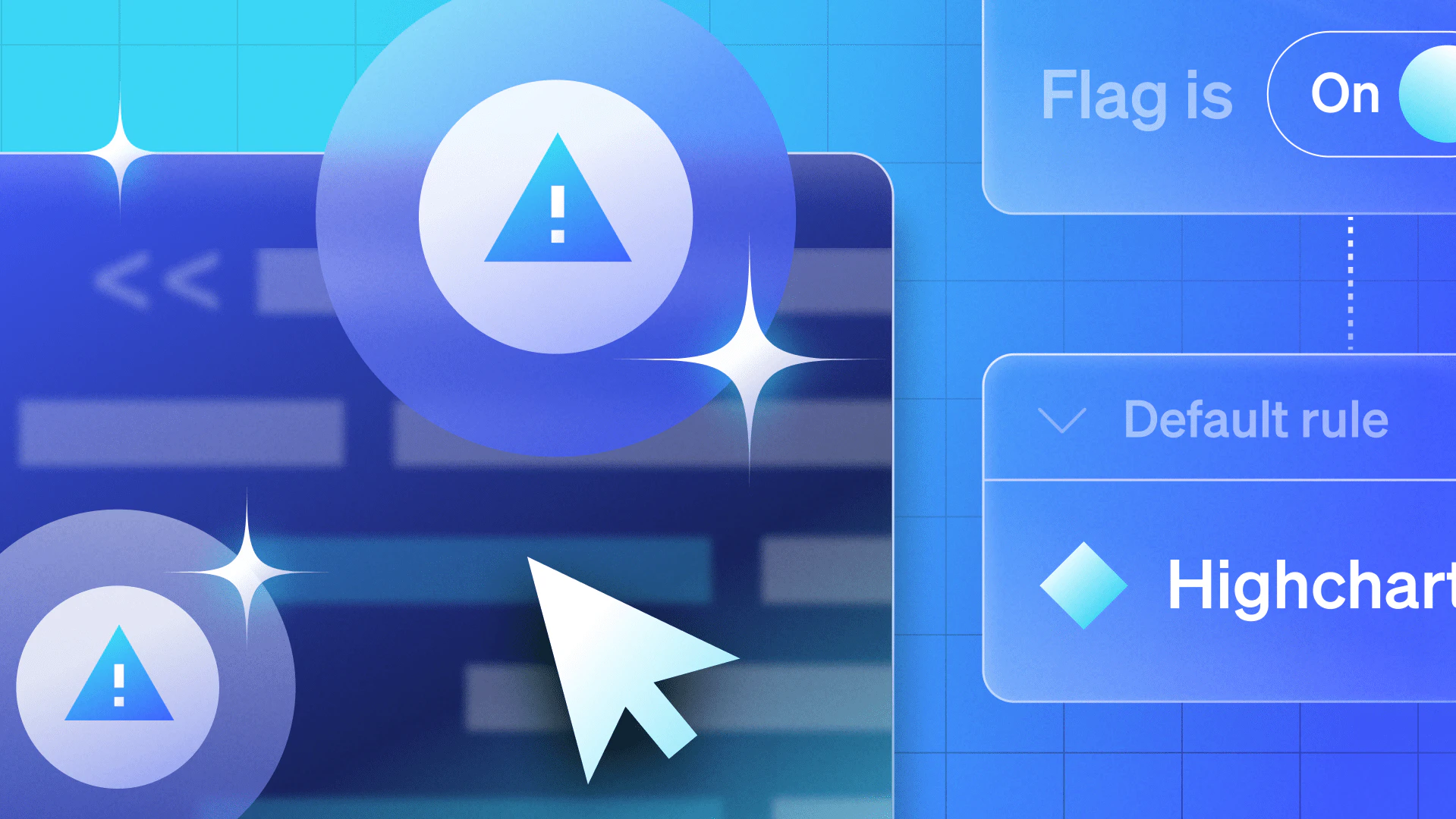
- Wrapping AI-generated changes in feature flags decouples deployment from release, giving developers runtime control over exposure and a smaller blast radius.
- If an AI-generated change breaks in production, the flag can be disabled instantly without a redeploy.
- LaunchDarkly plugs into the AI coding workflow: developers can create and manage flags from inside their IDE using plain English.
AI coding tools make it dangerously easy to ship faster. They can refactor entire components, migrate libraries, and generate production-ready code in minutes. But speed may come with a tradeoff. When AI writes large portions of your application, how confident are you about pushing that change live to every user?
In this video, a LaunchDarkly developer shows how to use feature flags to help safely ship AI-generated changes.
Instead of deploying a high-risk AI-generated change to 100% of users, you gain runtime control over exposure. You decouple deployment from release and reduce blast radius. And if something breaks, you disable it instantly—without redeploying.
You’ll also see how LaunchDarkly integrates directly into the AI coding workflow, allowing developers to create and manage flags from inside their IDE using plain English.
If you’re using AI to accelerate development but want a safety net in production, this is a practical, real-world example of how to do it.
Watch the video to see how to ship AI-generated code more safely without slowing down.
Visit this page for an informative walkthrough of the full LaunchDarkly platform, including straightforward examples of the features that help teams gain runtime control.